
The Cane Corso
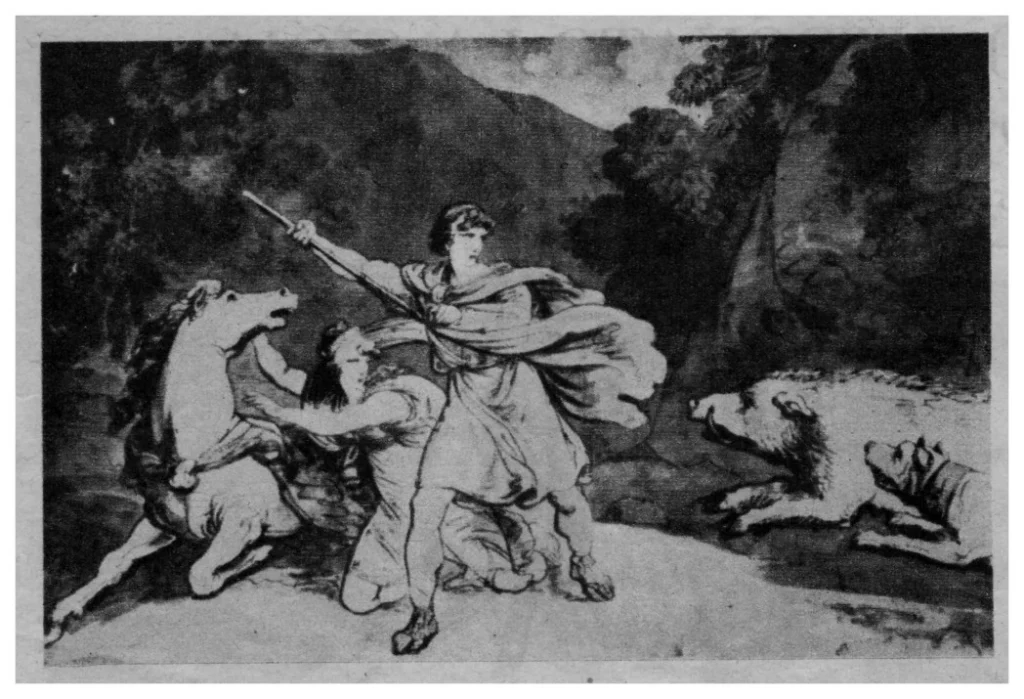
«Il Corso ha gran possanza, ardito assale
“Erasmo da Valvassone. 1591. Della Caccia”
La fera, e la ritien: poichè l’ha presa,
Sciorre il dente non sa; ma poco vale
Per raggiungerla poi, che in fuga è stesa:
Non ha dal ciel sortita al nome eguale
Prestezza il corpo suo, che troppo pesa:
E la virtù diffusa in sì gran seno
Mal lo riempie, e ne vien tosto meno»
Cane Corso
About Cane Corso:
The Cane Corso, a breed that has steadily gained worldwide recognition as one of the best guard dogs, is also one of the most sought-after and discussed breeds on social media. However, paradoxically, it is also one of the breeds about which the most controversial information circulates online.
Between 1551 and 1587, the Swiss Conrad Gessner located the Cane Corso in Italy, especially in Rome, where it was used to manage wild cattle and wild boars. What was once a proud representative of the Italian Mastiffs is now not even considered a true Mastiff by many breeders and dog enthusiasts.
This decline in breed recognition is a direct consequence of poor decisions, from the drafting of its standard to unethical breeding practices. When a breed ceases to be seen as a valuable functional subject—in this case, a legendary guardian mastiff—it becomes a fashion item.
The Cane Corso isn't just a dog: it's a legend. And its legacy deserves to be honored with precision, respect, and responsibility.
Bartolomeo
Pinelli
Portraits of the Cane Corso in the XIX century
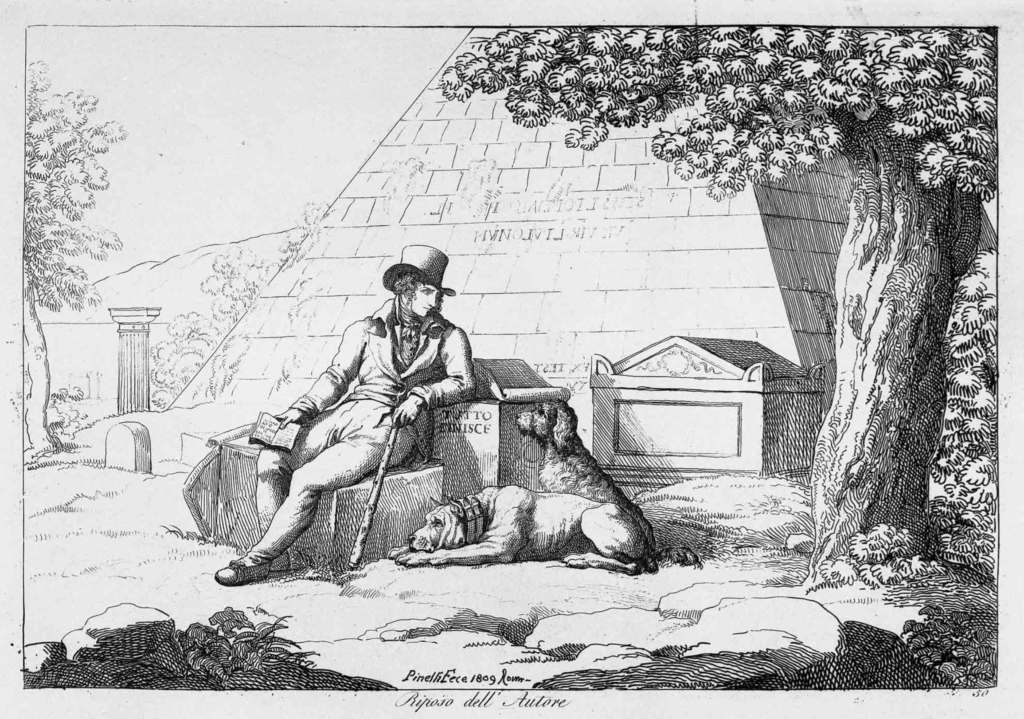
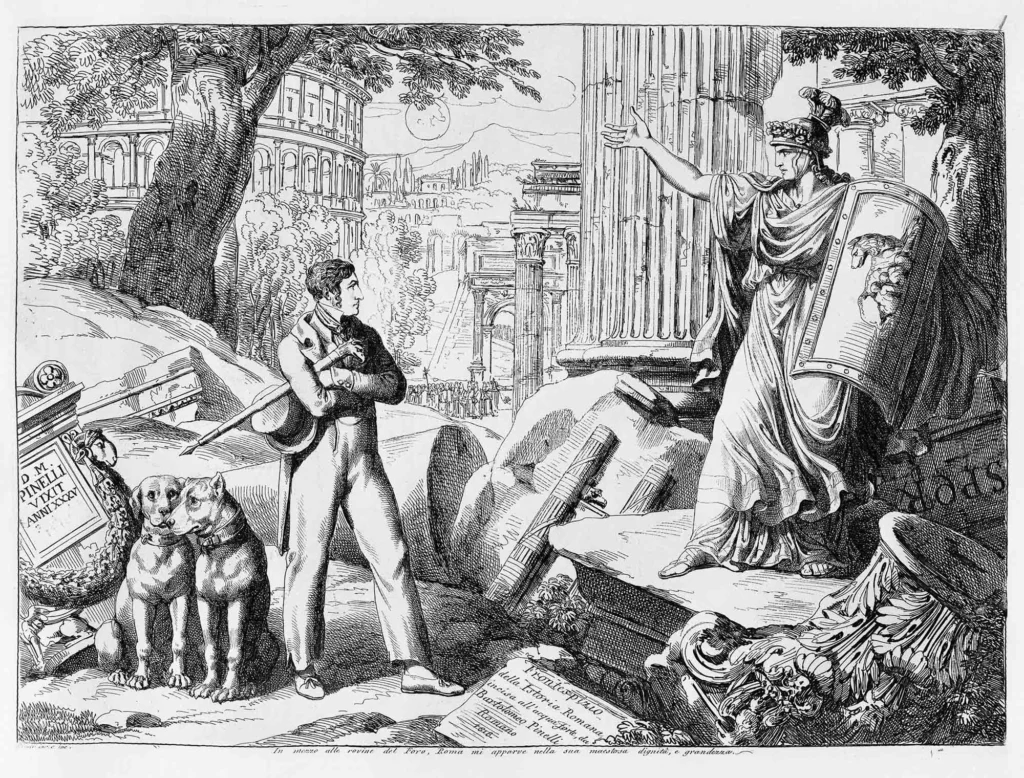
Bartolomeo Pinelli, a celebrated XIX century Roman artist, frequently portrayed the Cane Corso in his prints depicting folk and rural life. Passionate about the breed, he always kept one of his dogs with him, especially on his excursions into the countryside. His dog appears in several of his works, either alongside Pinelli himself in urban landscapes or in rural scenes, performing typical tasks of the era: a butcher's dog, an artist's guard dog, or a bandit's companion. These depictions not only reflect the Cane Corso's versatility but also its deep roots in Italian popular culture.
EVC was inspired by Pinelli (1781-1835) for its logo, with whom we share the vocation and attachment to this wonderful breed. The image symbolizes our passion and efforts to preserve the Cane Corso.

Its origin
Talking about his story:
The origin of its name is unknown, as it does not appear in recent canine literature. The most obvious and immediate explanation points to its Corsican origin (which is the Italian word used to refer to a native of that island). The first author to revive this meaning was the Neapolitan Belisario Acquaviva, Duke of Nardo, in his treatise on hunting and capturing birds (1519).
Between 1551 and 1587, the Swiss Conrad Gessner introduced the Cane Corso to Italy, especially Rome, where it was used to herd wild cattle and boar. According to biologist Paolo Breber, Corso derives from Cors (an Occitan language), which is still spoken in regions such as northern Spain, southern France, and northern and southern Italy. This word, in turn, comes from the Latin corpus. In the 18th century, the strongest and most powerful dogs were used to protect high society, hunt large game, and control cattle and pigs.
Let's summarize then that the Cane Corso is a name given to the mastiffs that guarded the farms and livestock, and that was their real job.
There is no documentation supporting the Cane Corso's origin in Roman warfare. Dogs have always accompanied armies, especially before the advent of motorized transport. However, their primary use was as guards against night attacks, ambushes, and spies. A Molossian retains, not attacks.
We believe this is unknown due to ignorance or because they create a fable in their stories in order to boost the sale of puppies.
If we refer to the historic Cane Corso, its constitution corresponds to the function of catching and holding the adversary, which is expressed in its powerful jaws and large, muscular and agile body.
Text made
by Cane Corso Capitanata
Overview of Morphology:
It's impossible to talk about homogeneity and expect to achieve it easily! After centuries of selection, often limited to specific geographical regions or carried out in family environments, according to personal tastes or the dog's functional use—in short, function defines type—the Cane Corso has developed as a rustic breeding dog. It thus retains its fundamental connotations, a direct reflection of the culture of country people: simple, yet astute and forward-thinking.
Morphologically, it is characterized by a long and well-defined head, a broad and flat skull (cephalic index 56/58), and a snout with little or poor squareness.
The eyes are medium-sized, proportional to the body, well-spaced, with bulbs that are not excessively prominent. The eyelids tend toward an oval shape, are well pigmented, and close-fitting. The expression is intelligent, sometimes somber—for a good guard dog must, above all, deter, inspiring respect with just a glance. This expression is influenced by the color of the iris, which should be relatively light in relation to the coat.
It has few wrinkles and minimal dewlap. The dentition is scissor-shaped. The limbs are long, the trunk is strongly built, more developed in length than in height, without a squat appearance. The belly is slightly tucked up, similar to a tube. The withers are well marked and wide, the back muscular and broad, the chest also broad, and the ribcage neither deep nor barrel-shaped. The hind legs are strong and well muscled; the croup is not straight, but slightly sloping. Movement is fluid both at the walk and trot, with excellent endurance.
The coat is short (woolly), never shaved. Coat color is of great importance, as it is closely linked to both typicality and character. Therefore, it is essential to revive colors that have fallen into disuse, as well as to value the presence of white highlights (especially when combined with woolly coats). Desirable colors include tabby or black tabby, gray/ash in varying densities, but well defined on a fawn background in different shades, as well as fawn, formentino, gray/ash, and black, preferably with white.
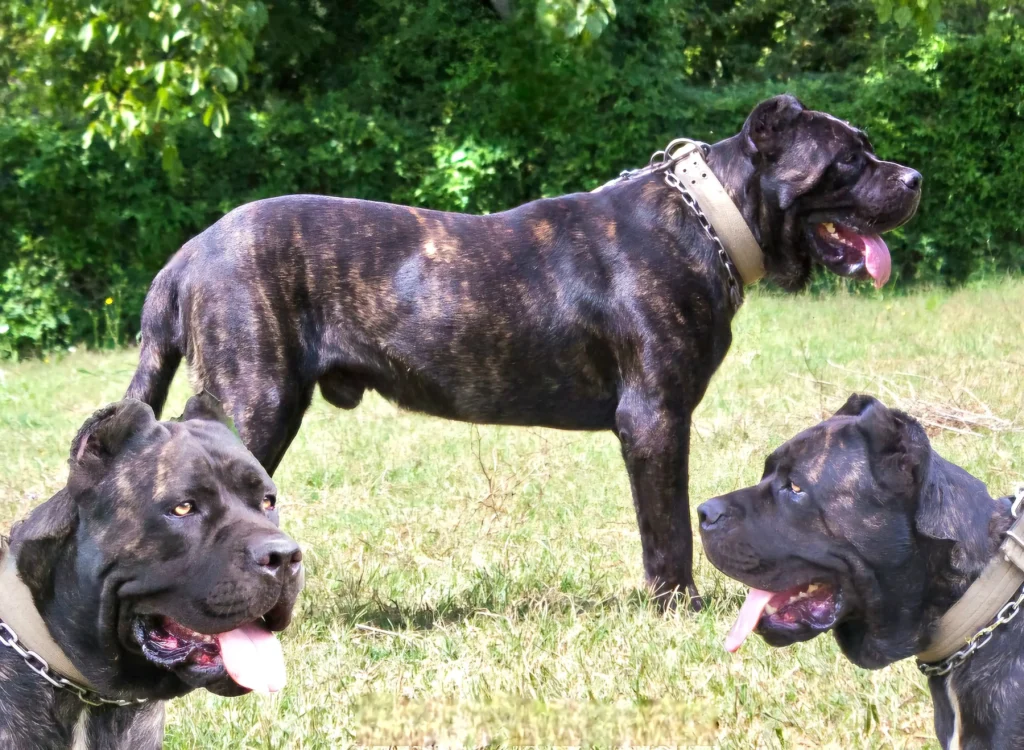
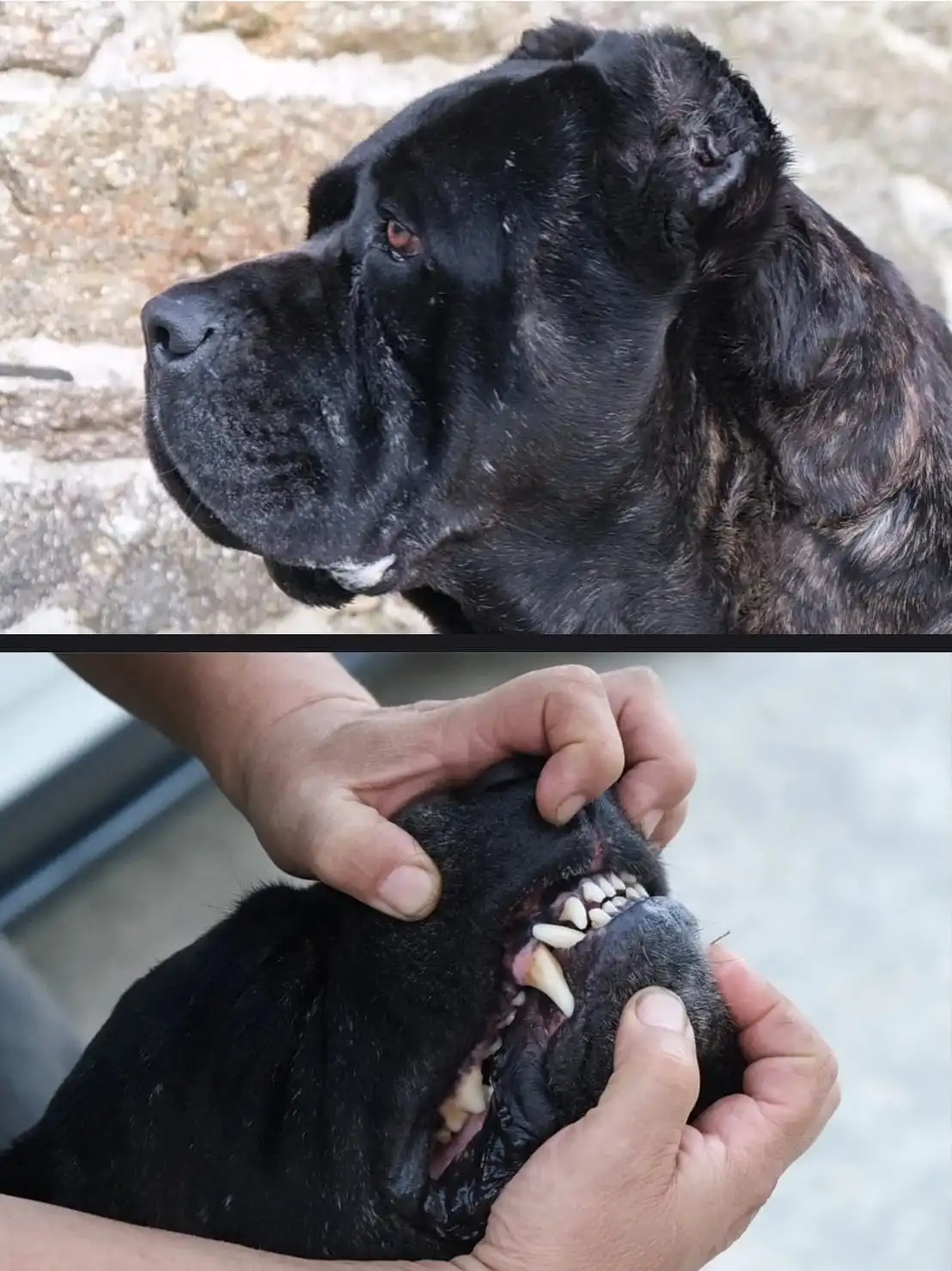
In the 1960s, many isolated Cane Corso owners found themselves in desperate need of finding a mate for their dog.
In some cases, a rough solution was found by using more or less similar breeds, primarily the Boxer breed. This practice further confused the breed's genetics.
It was in the 1980s when news of a new dog began to surface in the media, and some enthusiasts traveled to southern Italy to acquire one.
It was at this time that breeders and non-professionals emerged everywhere, only with the intention of making money, making mixes with Great Dane, Bullmastiff, Boxer, Rottweiler.
The problem arises when these hybrids are crossed in the hope of achieving a respectable imitation of the real thing.
Bulbous eyes, a flat or sunken nose, an inverted jaw, sagging skin, a drooling mouth, and a coat that is too short and shiny are all very suspicious signs in a Cane Corso.
The current standard of the Cane Corso breed was created by the E.N.C.I (Ente Nazionale Cinofilia Italiana) in 1987. Basir was the reference dog for the E.N.C.I. with the project of Paolo Breber, who himself recognised in his book, an exemplary dog that presented imperfections such as.
-Lack of undercoat and reverse bite
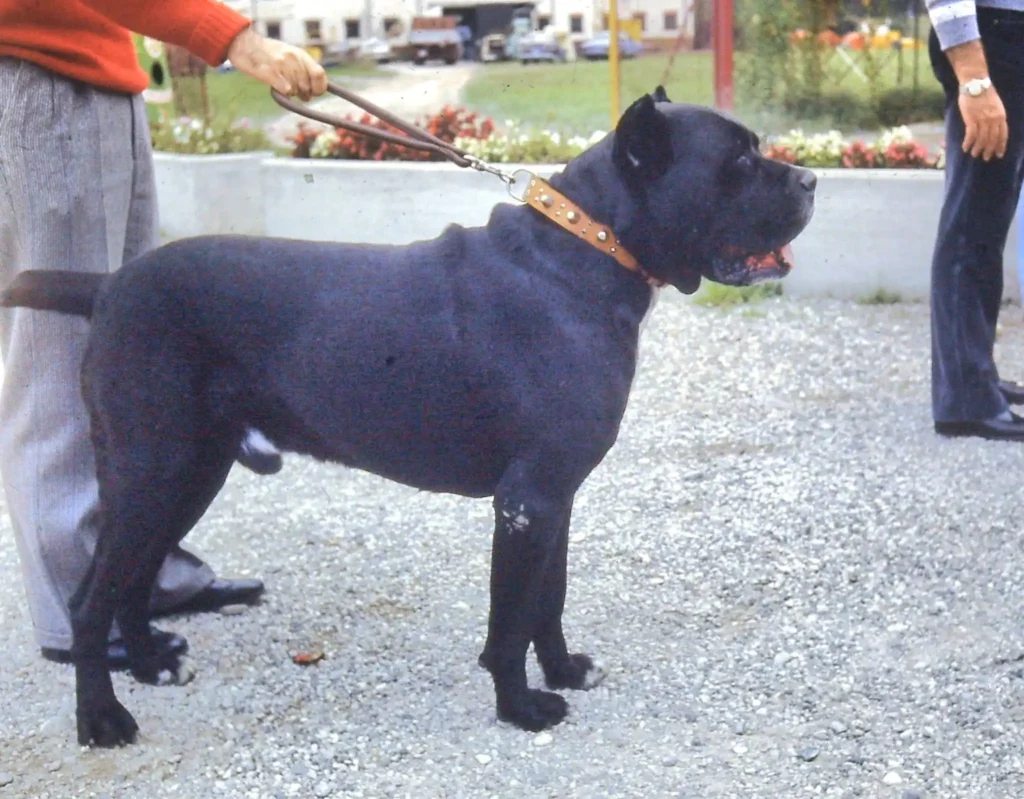
Many breeders claim that the reverse bite is the correct one because it is stipulated in their standard, and it is honestly absurd that for a dog that expresses itself essentially through a firm bite, they would say that it is the correct one.
Cane Corso
Character
"Firm and determined, it shows distrust of strangers, with a strong sense of territory. It is an incorruptible guardian, deeply attached to its owner, which distinguishes it even in self-defense situations. It must exhibit all the natural aptitudes of the breed (not artificially acquired)."
The Cane Corso demonstrates exceptionally unwavering loyalty to its owner, showing zero tolerance for any suspicious behavior or perceived threat directed at its loved ones. Nothing pleases it more than to be by its owner's side at all times, responding intimately to its moods and will. Calm by nature, the Cane Corso is also a courageous animal, with a guardian instinct deeply rooted in its genetics, the result of generations of selective breeding to fulfill historical roles such as defending territory or confronting human threats.
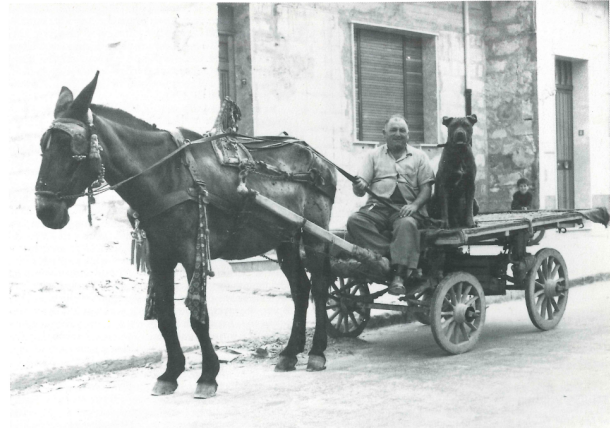
Traditionally, it accompanied farm workers, protected against thugs and bandits, escorted cart drivers, and later became a faithful guardian of homes.
Owning a Cane Corso means assuming a full-time companionship—a bond of psychological intimacy that has been cultivated for centuries between man and this noble, proud, thoughtful, and incorruptible guardian.
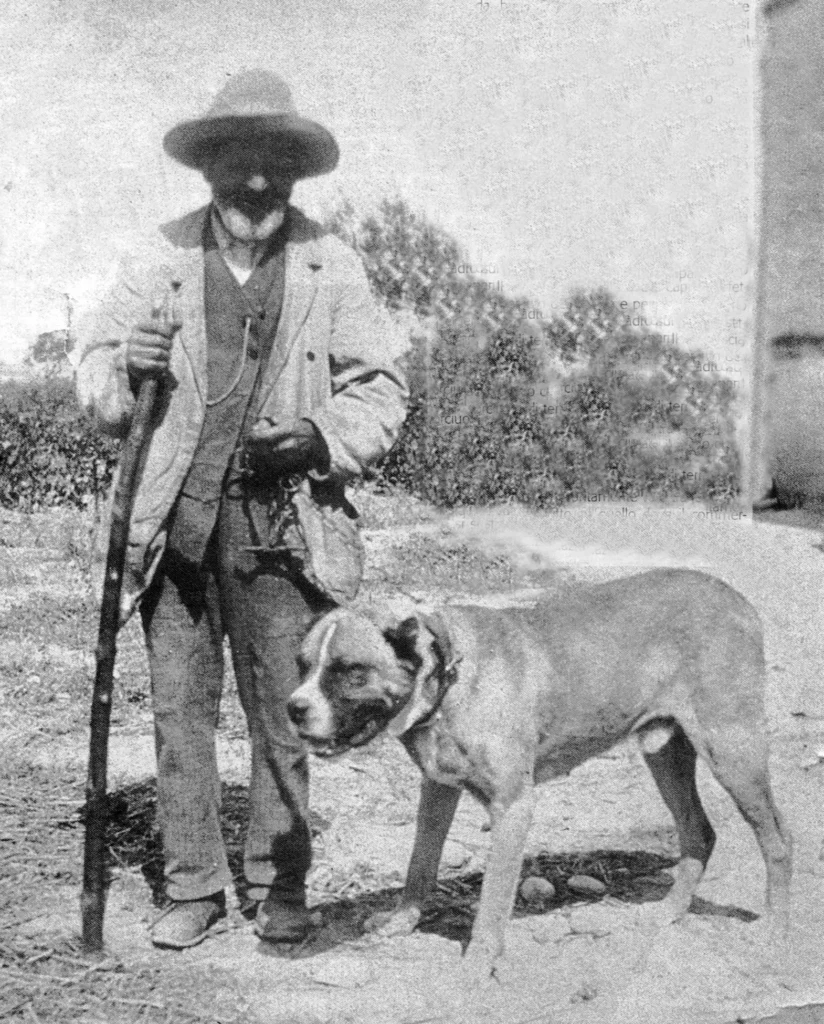
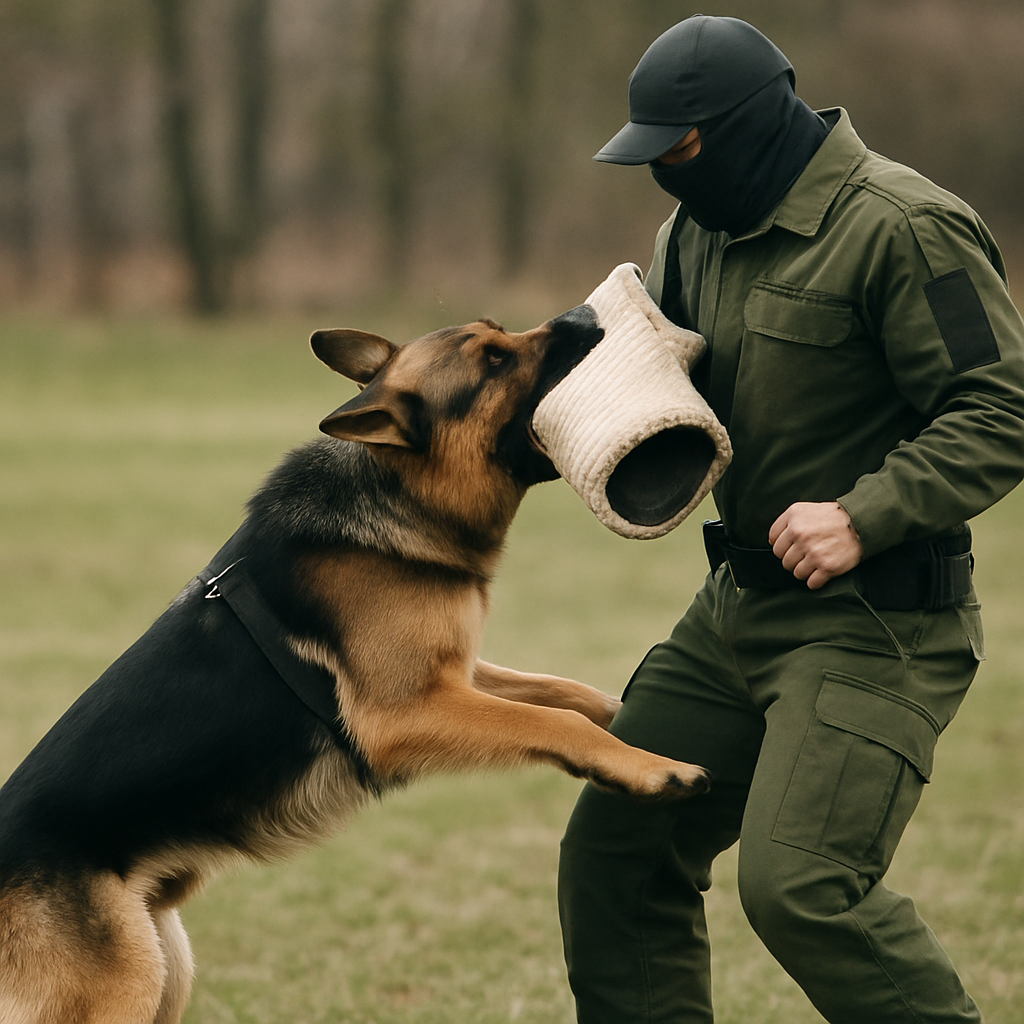
Today, there are breeders who have made one of the IGP's skills fashionable.
First, it is important to note that there is a canine sport called IGP, which evaluates three skills:
• Obedience
• Tracking
• Protection
This sport is designed for high-energy working dogs like German Shepherds and Malinois—breeds trained for military and police work that respond to commands almost like machines.
We believe that some breeders think the Cane Corso needs this type of overstimulation to become a guard dog, and nothing could be further from the truth.
Remember that the Cane Corso is a mastiff, and its temperament is very different from that of a German Shepherd. The only thing we encourage with this discipline is to transform calm and stable dogs into reactive ones.
The Cane Corso carries the guarding instinct in its genes, and performs its function naturally, without the need for IGP training.
It's worth noting that in 1995, the E.N.C.I. (National Entity for Italian Cinophilia) declared that the Cane Corso could be included on the list of ornamental breeds, as it doesn't require any specific work or pass any functional or health tests to be valued.
The true value of the Cane Corso lies in its poise, nobility, natural guardian instinct, and ability to connect with its family. Respecting its essence is the key to keeping alive a breed that has been shaped by centuries of close contact with humans.